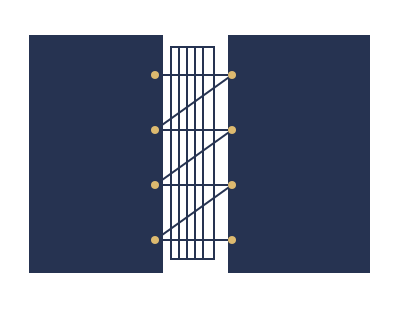
Following the thread.
A habit of looking inside
I live in Bristol and have always been the person who turns an object over to see how it is held together. A repaired hinge, a folded carton, or a stitched pamphlet can interrupt a whole afternoon. Bookbinding brought that curiosity into a size of project that fits on a table and can be put away before dinner.
My first book was a very thick notebook with a cover that refused to close properly. I had mistaken extra pages for extra usefulness. The next one was smaller, lighter, and much nicer to carry. I still use it as a reminder that a modest object with a clear purpose usually offers a better place to begin.
I work slowly and favor inexpensive materials while I am learning. Paper offcuts become test sections; bits of cloth become hinges; a crooked cover becomes a sample for trying something else. I keep notes about paper direction, thread tension, and mistakes I am especially likely to make again. Repetition is useful when I can tell what changed.
Away from the table, I walk by the water, read essays, and repair things that are just worn enough to need attention. I am not offering conservation advice or professional binding services. The books here are personal experiments, made with curiosity and used in ordinary life. Their best feature is usually a comfortable opening, followed closely by an empty page.